
The Best Bathroom Tile Patterns
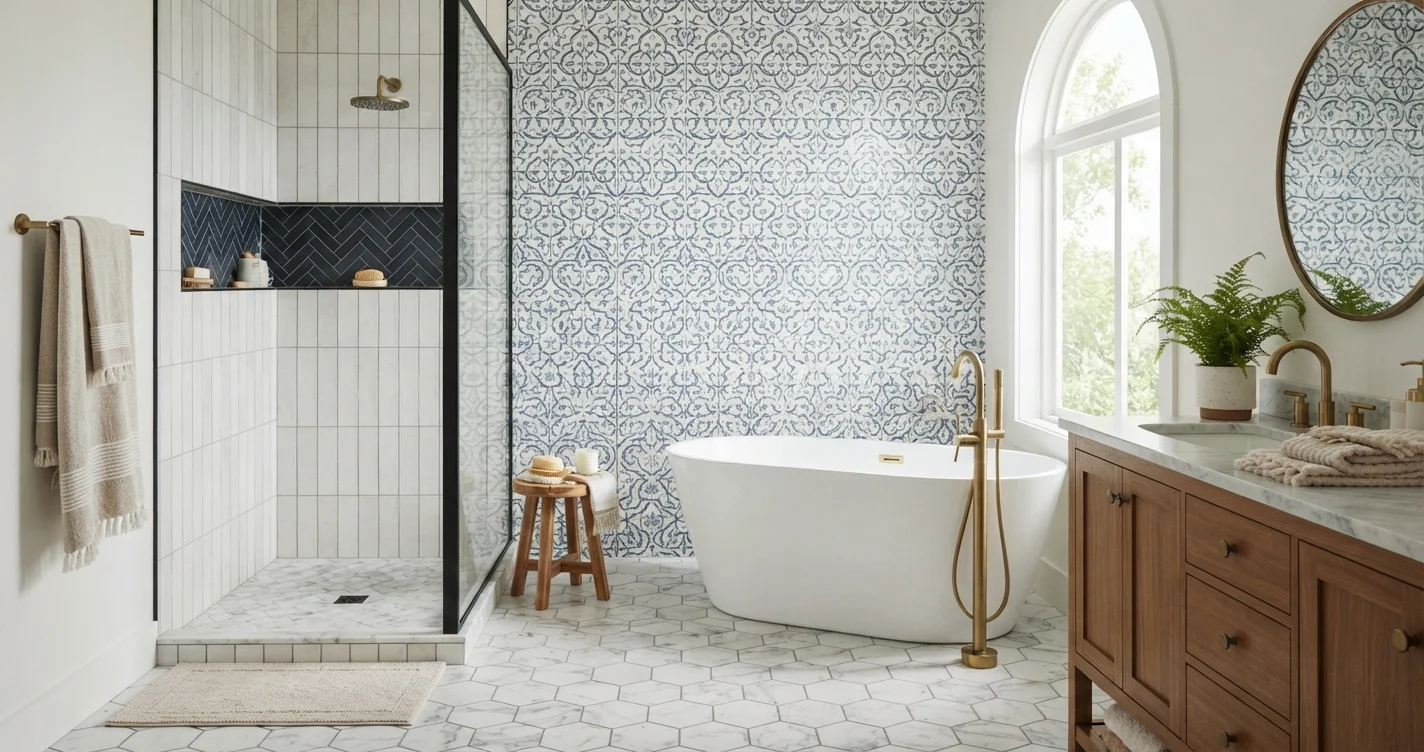
Choosing the right tile pattern can completely transform your bathroom. It’s the difference between a room that feels flat and one that has personality, depth, and style. As an expert in home spaces and design, I’ve seen trends come and go, but a great tile layout is timeless.
The best bathroom tile patterns do more than look good—they define the space, hide imperfections, and add value to your home. Whether you’re renovating a powder room or a master suite, the pattern you pick sets the tone. Let’s explore the most effective and stylish options available today.
This guide covers classic layouts to modern twists, with practical tips for small bathrooms and large floors. You’ll also find a comparison table to help you decide which pattern suits your project best.
Why Tile Patterns Matter in Bathroom Design
Tiles are the backbone of any bathroom aesthetic. But the shape, size, and arrangement of your tiles dictate the room’s visual flow. A well-chosen pattern can make a narrow bathroom feel wider, a low ceiling seem higher, and a dull space come alive.
From a technical standpoint, patterns also affect installation cost and durability. Some layouts, like herringbone, require more cuts and labor, while others, like stacked, are simpler. Budget-conscious homeowners should factor this into their decisions.
Top 6 Best Bathroom Tile Patterns for Every Style
1. Herringbone Pattern
Herringbone is a timeless classic that adds movement and luxury. Rectangular tiles are arranged in a zigzag (V-shape) that creates a dynamic, woven effect. It works beautifully on bathroom walls, shower niches, and floors.
This pattern is especially popular for subway tiles. The angular lines draw the eye, making the space feel larger and more intentional. It’s ideal for traditional, farmhouse, or transitional bathrooms.
2. Subway Brick Bond (Running Bond)
The running bond is the most recognizable tile pattern. It mimics a brick wall, with each row offset by half a tile. It’s simple, affordable, and endlessly versatile.
For a modern twist, use large-format subway tiles or install them vertically. This pattern works in almost any bathroom size and pairs well with bold grout colors. It’s forgiving for DIYers and hides slight misalignments.
3. Basket Weave
Basket weave combines small rectangular tiles arranged in a woven, square block. It offers a vintage, textured look that feels handcrafted. This pattern is stunning for bathroom floors.
Typically used with marble or porcelain tiles, basket weave adds intricate detail without overwhelming the room. It’s a favorite for Mediterranean, boho, and classic bathroom designs. Keep grout lines clean for maximum impact.
4. Hexagon (Hex) Pattern
Hexagonal tiles create a honeycomb effect that is both modern and playful. They come in various sizes, from small mosaic to large 6-inch hexagons. This pattern works for floors, walls, and shower pans.
Hex patterns soften harsh lines and add subtle geometry. They’re excellent for small bathrooms because the many grout lines create visual texture. Use a single color for a minimalist look or mix hues for a colorful accent wall.
5. Chevron Pattern
Chevron is often confused with herringbone, but the key difference is the cut: chevron tiles are cut at 45-degree angles to create a continuous, arrow-like V. This creates a sharper, more uniform look.
Chevron demands precision installation, so expect higher labor costs. The result is a high-end, dramatic appearance perfect for master bathrooms. Stick with neutral tones like white, gray, or beige to keep it sophisticated.
6. Stacked (Straight Set) Pattern
Stacked tiles align in perfect rows and columns, forming a clean grid. This pattern emphasizes the tile’s shape and color, making it ideal for large-format tiles or statement pieces.
Stacked layouts work best in contemporary and minimalist bathrooms. They require precise alignment since any imperfection is visible. Use with rectified tiles for tight, modern grout lines.
How to Choose the Right Pattern for Your Bathroom
Consider your bathroom’s size and shape first. Small bathrooms benefit from patterns that expand the visual space, like vertical subway or large hex tiles. Large bathrooms can handle bold patterns like herringbone or basket weave without feeling cluttered.
Think about maintenance. Intricate patterns with many grout lines (hex, basket weave) need more cleaning. Simple layouts (stacked, running bond) are easier to maintain, especially on floors.
- For small bathrooms: Vertical subway, large hex, or diagonal running bond.
- For large bathrooms: Herringbone, chevron, or mosaic basket weave.
- For high moisture areas: Slip-resistant tiles with a durable pattern like running bond.
- For low maintenance: Stacked or simple brick bond with epoxy grout.
Comparison Table of Popular Tile Patterns
| Pattern | Best For | Installation Difficulty | Visual Effect |
|---|---|---|---|
| Herringbone | Walls, floors, showers | Medium-Hard | Dynamic, elongating |
| Subway Brick Bond | All areas, especially backsplashes | Easy | Classic, versatile |
| Basket Weave | Floors, accent areas | Medium | Vintage, textured |
| Hexagon | Floors, shower floors, accent walls | Medium | Modern, geometric |
| Chevron | Master baths, feature walls | Hard | Sharp, luxurious |
| Stacked | Contemporary bathrooms, large tiles | Easy-Medium | Clean, minimalist |
Trendy Bathroom Tile Layout Ideas for 2025
This year, designers are mixing patterns within the same bathroom. For example, use a herringbone shower wall with a hex floor. This creates visual separation and adds personality.
Bold grout colors are also rising. Pair a white subway tile with black or navy grout to make the pattern pop. Or match grout to tile for a seamless, modern monochromatic look.
Frequently Asked Questions (FAQ)
1. What is the most popular bathroom tile pattern?
The subway brick bond (running bond) remains the most popular due to its simplicity, affordability, and timeless appeal.
2. Can I use different patterns in the same bathroom?
Yes. Mixing patterns (e.g., herringbone on walls, hex on floors) adds depth. Just keep colors and materials cohesive for a balanced look.
3. Which pattern is best for a small bathroom?
Vertical subway or large hex tiles help expand the space visually. Avoid busy patterns like small mosaic if the room is tiny.
4. Are herringbone tiles more expensive to install?
Yes. Herringbone requires precise cuts and more labor. Expect to pay 20-40% more than a standard running bond installation.
5. What pattern hides dirt and wear best?
Patterns with multiple grout lines (hex, basket weave) hide dirt better. Also, dark or mid-tone grout is more forgiving than white.
6. Can I install tile patterns myself?
Simple patterns like running bond or stacked are DIY-friendly with basic tools. Complex patterns like chevron or herringbone are best left to professionals.
7. What grout color should I choose for bathroom tiles?
For a cohesive look, match grout to tile. For contrast, pick a darker shade. Avoid light grout on floors if you have high traffic.
Conclusion
The best bathroom tile patterns combine beauty, function, and personality. Whether you choose a classic subway bond or a dramatic chevron, the right layout elevates your bathroom from ordinary to extraordinary. Always consider your space, budget, and maintenance habits before making a final decision. With these patterns and expert tips, you’re ready to create a bathroom you’ll love for years.


