
The Best Layouts for Long Narrow Living Rooms
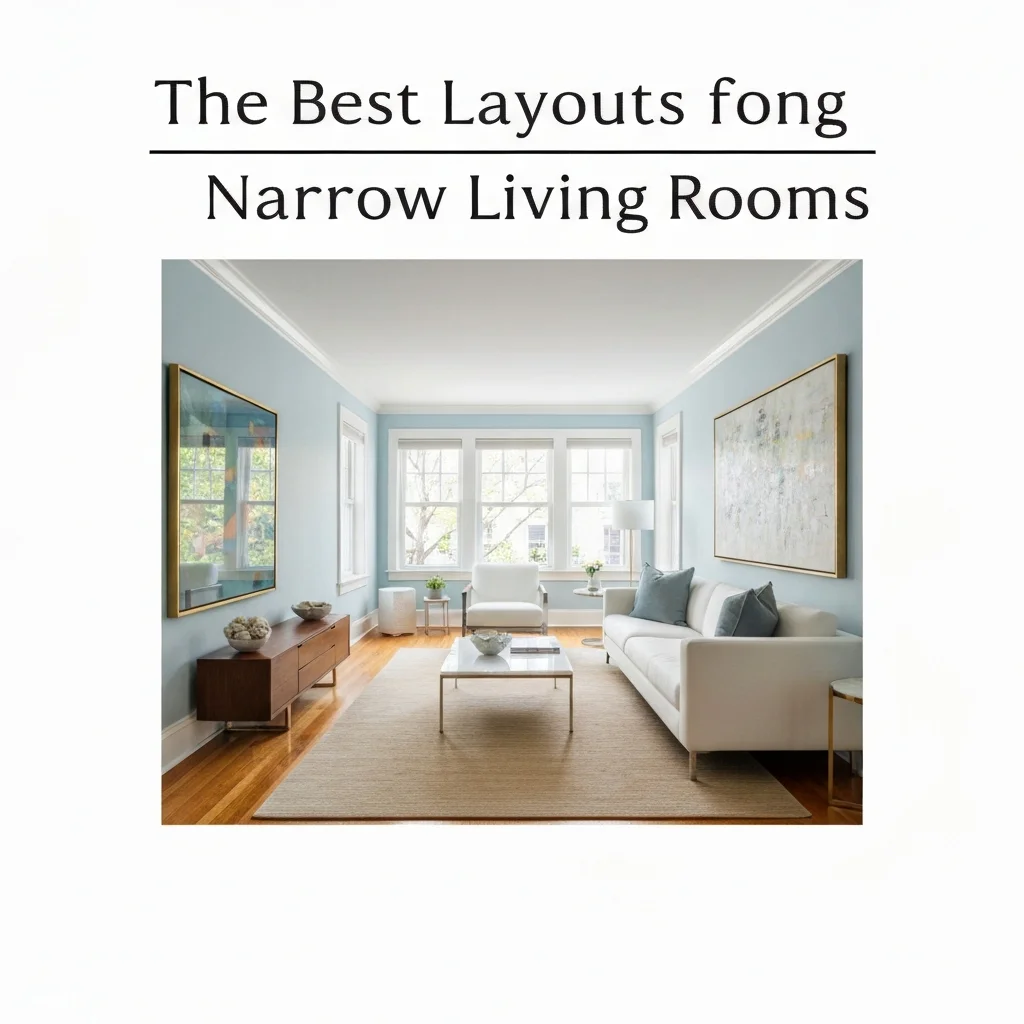
Designing a long narrow living room can feel like a puzzle. You know the space has potential, but getting the furniture to feel balanced—not like a bowling alley—takes strategy.
I’ve tackled dozens of these tricky rooms over the years. The key isn’t fighting the proportions. It’s working with them. In this guide, I’ll walk you through the best layouts, furniture choices, and visual tricks to make your long living room feel wide, inviting, and totally livable.
Why Your Long Narrow Living Room Feels So Awkward
First, let’s name the problem. Long, narrow rooms often create a “tunnel effect.” Your eye zooms straight to the far wall, and the side walls feel like hallways.
We want to break that line of sight. Without visual breaks, the room feels empty at one end and cluttered at the other. The goal is to create distinct zones—each with its own purpose, but flowing together naturally.
- Divide the room into two zones (living + dining, or media + reading).
- Use rugs to define each zone instead of one long runner.
- Anchor the far end with a bold focal point like a fireplace or large art.
Focal Point First: Where to Place the TV or Fireplace
In a rectangular living room layout, your focal point determines everything. Many people instinctually mount the TV on the long wall. But that often forces the sofa into the center, blocking traffic flow.
Instead, try placing the main focal point on the narrow end wall. This visually shortens the room and gives you a natural anchor. If you have a fireplace, that’s perfect. If not, a large credenza with a mirror or artwork works wonders.
For media setups, use a low-profile console. Keep it flush to the short wall. Then float your sofa facing it, leaving a clear walkway behind the couch.
The Two-Sofa Layout: Zone One and Zone Two
One of the most effective narrow living room furniture arrangement tricks is using two sofas. Place one facing the focal point, and the second perpendicular to it, forming an L-shape.
Here’s a real-world example: A 12×24 foot room. Put a 6-foot sofa on the far short wall facing the TV. Then add a 5-foot loveseat or settee along the long side wall, about 4 feet from the first couch. This creates a cozy conversation area at one end.
Leave the other half of the room open for a dining table or desk. This zone-based approach prevents the room from feeling like a hallway.
Furniture Arrangement Comparison Table
| Layout Type | Best For | Key Tip |
|---|---|---|
| Parallel Seating (two sofas facing each other) | Entertaining, conversation | Keep coffee table narrow (max 18″ wide) |
| L-Shaped Sectional | Media rooms, lounging | Sectional sits on long wall, opens to short end |
| Floating Sofa + Armchairs | Small families, flexible use | Float sofa 3-4 feet from the wall |
| Two Zones (living + dining) | Open-concept, small homes | Use different rugs and lighting for each zone |
How to Use Rugs to Visually Widen the Room
Rugs are your secret weapon for a long narrow living room layout. Avoid a single long runner—it emphasizes the length. Instead, use at least two rugs.
Place a large area rug under the main seating group, perpendicular to the long walls. The rug should extend at least 6 inches beyond the sofa edges. A 8×10 or 9×12 rug works beautifully.
In the second zone, use a smaller rug, like a 5×7 or 4×6, to define the dining or reading area. The contrast in size and pattern subtly signals “this is a different room.”
Lighting: Stop Using Overhead Lights Alone
Single overhead ceiling lights make a long room feel like a train station. You need layered lighting. Start with floor lamps at both ends of the room to draw the eye outward.
Add table lamps on side tables mid-room to create pockets of warmth. If you have a dining zone, hang a pendant light directly above the table—centered in that zone, not centered in the whole room.
Wall sconces along the long side walls are brilliant. They add width by creating horizontal interest. Place them at eye level, spaced evenly.
Vertical Elements to Break the Length
Another trick for small living room layout tips is to introduce vertical lines. Tall bookcases, floor-to-ceiling curtains, or a large plant can make the ceiling feel higher and the room feel wider.
Install floor-to-ceiling curtains on the narrow end walls. This draws the eye up, not down the length. On the side walls, add a floor lamp or a tall potted fiddle leaf fig to interrupt the horizontal flow.
Even a bold vertical wallpaper pattern on the short wall works. It creates a focal point and “shortens” the distance between you and the wall.
Color and Pattern Strategies for Visual Width
Color can make or break a narrow room. Stick to light, neutral tones on the long walls—think warm white, light beige, or soft gray. This keeps the space open.
Paint the short end walls a slightly darker shade or add a bold accent color. This pulls the corners inward, making the room feel shorter and cozier.
If you love pattern, use it on one accent wall (the short wall) or on an area rug. Avoid horizontal stripes on the long walls—they act like arrows pointing down the room. Vertical stripes, on the other hand, add height and balance.
Frequently Asked Questions About Long Narrow Living Rooms
Should I put the sofa against the long wall?
Not usually. Pushing furniture against the long wall makes the room feel wider only if you create a walkway behind it. But often, it forces seating far apart and kills intimacy. Float your sofa instead.
How do I arrange furniture in a 12×20 living room?
Create two zones: a living area near one narrow end (sofa facing the wall, two armchairs perpendicular), and a dining area near the other end. Use a console table behind the sofa as a visual divider.
Can I use a sectional in a narrow room?
Yes, but choose an L-shaped sectional, not a U-shaped one. Place the long side along the long wall, with the chaise extending toward the short wall. Avoid blocking the main walkway.
What colors make a narrow room look wider?
Light neutrals on the long walls (white, cream, pale gray) and a slightly darker or accent color on the short walls. This creates a visual “shortcut” that makes the room feel more square.
How do I decorate the long wall without making it feel cluttered?
Use one large piece of art or a gallery wall with a narrow, horizontal arrangement. Keep furniture low to keep the wall breathing. A tall plant or floor lamp at the end adds vertical interest without clutter.
What size rug is best for a long narrow living room?
Use two rugs: one 8×10 or 9×12 for the main seating zone (placed perpendicular to the long walls), and a smaller 4×6 or 5×7 for the second zone. Avoid one long runner.
Should I put a mirror in a narrow living room?
Absolutely. A large mirror on the short end wall reflects light and visually doubles the width of the room. Avoid placing it on the long wall—it will just reflect more length.
Final Thoughts on Your Long Narrow Living Room Layout
A long narrow room isn’t a design curse—it’s an opportunity. By breaking up the space into intentional zones, anchoring your focal point on the short wall, and using rugs and lighting strategically, you can create a room that feels both spacious and intimate.
Remember: Don’t push all furniture against the walls. Float pieces to create pathways. Use vertical elements to stretch the eye upward. And always, always layer your lighting.
With these long room design ideas, your living room will go from awkward to amazing. Start with one layout from the comparison table above, adjust based on your traffic flow, and watch the space transform.


