
Mid-Century Modern Living Room Inspiration
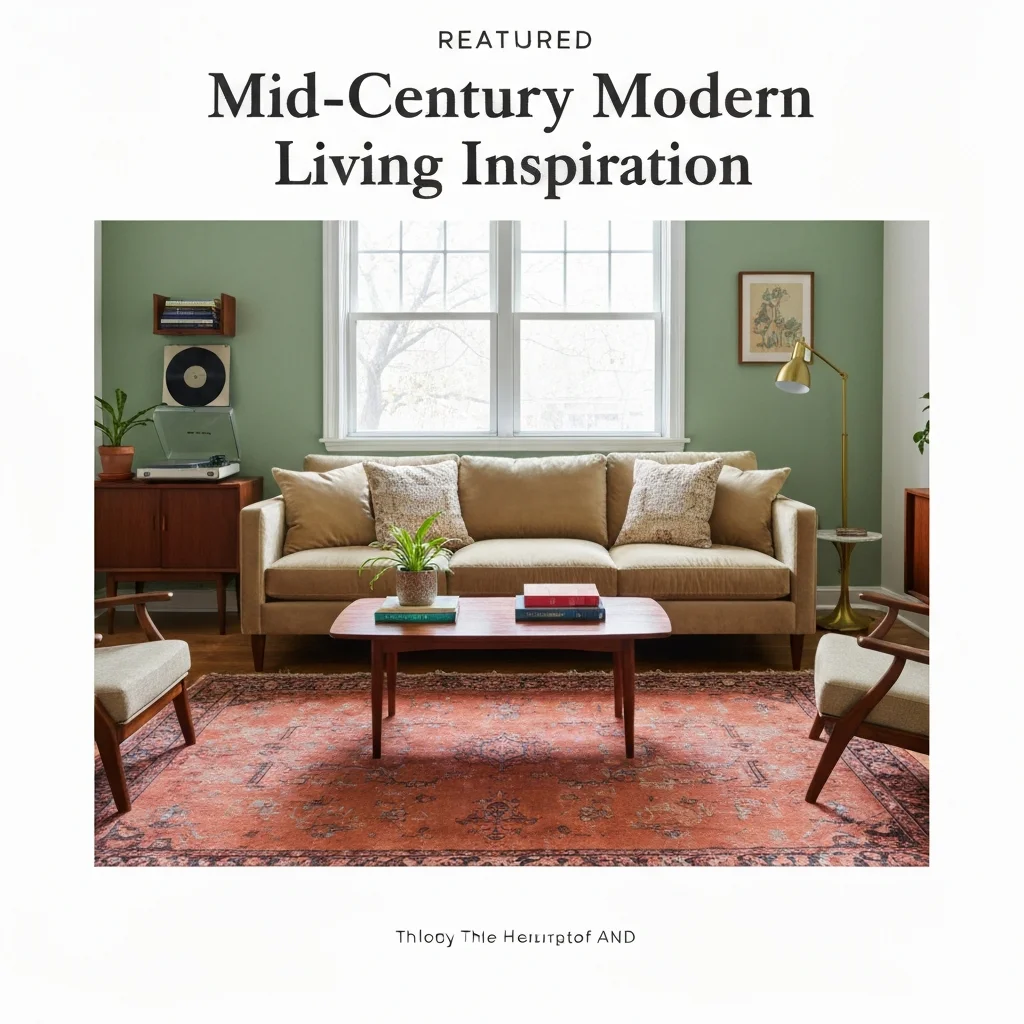
There’s a reason Mid-Century Modern design never truly goes out of style. Born during the post-war optimism of the 1940s through the 1960s, this aesthetic still feels fresh, functional, and effortlessly cool. If you are looking for Mid-Century Modern living room inspiration, you’ve come to the right place.
This style blends organic shapes, clean lines, and a focus on utility. It isn’t about cluttering your space with antiques. Instead, it’s about curating a few statement pieces that breathe personality and warmth into your daily life. Whether you are starting from scratch or refreshing a tired space, these ideas will help you nail the look.
Embrace the Power of Clean, Uncluttered Lines
The backbone of any mid-century modern living room is simplicity. Look for sofas and armchairs with exposed wooden legs (often tapered at an angle). Avoid heavy, oversized couches that swallow the room. Instead, choose low-profile seating that sits closer to the ground, creating an open, airy feel.
Furniture from this era was designed to be both beautiful and practical. Pieces like the iconic Eames Lounge Chair or the Noguchi Coffee Table are perfect examples. They serve a purpose but act as sculpture in the room. If you are on a budget, hunt for vintage reproductions or straight-legged sofas from brands like West Elm or Article.
Invest in Iconic Statement Furniture
You don’t need to fill every corner with designer labels. A single iconic piece can anchor your entire modern vintage living room. Think of a sunburst clock above a sleek credenza, or a pair of Wishbone chairs framing a fireplace.
Here are a few timeless investments that instantly read “Mid-Century Modern”:
- Eames Lounge Chair and Ottoman: The ultimate comfort-meets-style piece, perfect for reading corners.
- Noguchi Coffee Table: A sculptural glass top balanced on two interlocking wooden bases. Instant conversation starter.
- Arne Jacobsen Egg Chair: Bold, organic, and ideal for adding a pop of color.
- George Nelson Bubble Lamp: Soft, diffused lighting that adds a floating, ethereal quality.
- Crescent Sofa: A curved silhouette that softens the straight lines in a room.
Master the Mid-Century Color Palette
While you can stick with neutrals, the true heart of this style comes through in its color choices. Think warm, earthy tones balanced with vibrant accents. Mustard yellow, burnt orange, olive green, and teal are classic staples. Pair these with wooden furniture in walnut, teak, or rosewood for a rich, grounded look.
Don’t be afraid of contrast. A creamy white wall allows a bright orange sofa to sing. Similarly, a dark wooden credenza stands out beautifully against a muted sage green wall. The key is balance—too much bright color can feel chaotic, while too little can feel flat.
Use the table below as a quick reference for pairing colors and wood tones:
| Wood Tone | Best Accent Colors | Wall Color |
|---|---|---|
| Walnut (dark brown) | Mustard yellow, cream, teal | Off-white or light gray |
| Teak (medium brown) | Burnt orange, olive green, black | Warm beige or sage green |
| Teak (medium brown) | Pink, charcoal, gold | Soft white or blush |
Layer Textures for Warmth and Depth
Mid-Century Modern can sometimes feel cold if you rely only on metal and wood. To avoid a museum-like atmosphere, layer in plenty of texture. Think shag or flat-weave wool rugs, chunky knit throws, and velvet cushions.
Plants are also essential for softening the angular lines of MCM furniture. A sturdy fiddle-leaf fig or a trailing pothos in a ceramic planter adds life and movement. Natural materials like rattan, cane, and leather also help bridge the gap between the sleek and the organic.
Let Natural Light Lead the Way
A hallmark of retro living room decor is a connection to the outdoors. Large windows, sliding glass doors, and open floor plans are ideal. But even in a smaller apartment, you can maximize light by keeping window treatments minimal. Use sheer linen curtains or woven bamboo blinds that filter sunlight without blocking it.
Avoid heavy drapes that bunch on the floor. Instead, opt for floor-length panels in light fabrics that hang straight. If you need privacy, consider frosted window film or simple roller shades. The goal is to make your space feel bright, expansive, and welcoming—just as the original mid-century architects intended.
Accessorize with Intention, Not Clutter
Less is always more in this design style. Choose accessories that have sculptural or functional value. A vintage globe bar cart, a stack of architecture books on the coffee table, or a single abstract painting on the wall can say more than a dozen knick-knacks.
For wall decor, consider geometric patterns or atomic-age prints. Abstract art with bold shapes and muted colors fits naturally. Avoid overcrowding shelves. A curated display of three or four objects—a ceramic vase, a small plant, a brass sculpture—creates a visual rhythm that feels sophisticated and serene.
Frequently Asked Questions About Mid-Century Modern Living Rooms
Is Mid-Century Modern design expensive?
It can be, but it doesn’t have to be. You can mix a few high-quality investment pieces (like a vintage credenza) with affordable finds from IKEA or Target. The key is sticking to the silhouette and materials of the era, not the brand name.
Can I mix Mid-Century Modern with other styles?
Absolutely. MCM blends beautifully with Bohemian, Scandinavian, and even Industrial styles. The clean lines provide a neutral canvas for bolder textures and patterns from other aesthetics.
What flooring works best for a Mid-Century Modern living room?
Hardwood floors in light or medium oak tones are ideal. If you have carpet, consider replacing it with wood or laminate. Area rugs with geometric or abstract patterns can then be layered on top.
How can I make a small room look Mid-Century Modern?
Stick to low-profile furniture to keep sightlines open. Use floating shelves instead of bulky bookcases. Mirrors and light, airy colors also help expand the space visually. A single tulip table and two chairs can define a dining nook without crowding.
What are the best plants for this style?
Monstera, snake plants, fiddle-leaf figs, and rubber trees are classics. Their bold, sculptural leaves echo the organic forms in Mid-Century furniture. Use simple ceramic or terracotta pots for a clean look.
Should my TV be hidden in a Mid-Century Modern room?
Not necessarily. You can mount a flat-screen on the wall and surround it with framed art to integrate it. A sleek, low media console in walnut or teak will hold electronics while maintaining the aesthetic. Avoid bulky entertainment centers.
What lighting fixtures work best?
Sputnik chandeliers, arc floor lamps, and pendant lights with opal glass shades are all classic choices. Look for brass or black metal finishes to stay true to the era. Position lamps to create pockets of warm, ambient light.
Conclusion: Make It Yours, Make It Timeless
Mid-Century Modern living room inspiration isn’t about copying a catalog from the 1950s. It’s about capturing a spirit of optimism, function, and effortless style. You want a space that feels both grounded and forward-looking—a room where you can relax, entertain, and live fully in the present moment.
Start small. Choose one iconic piece or a color palette that speaks to you. Then layer in textures, plants, and light. Before you know it, your living room will feel like a curated gallery of modern design, warm enough for family movie nights and stylish enough for evening cocktails. That is the true magic of this enduring aesthetic.


