
How to Make Your Living Room Look Expensive on a Budget
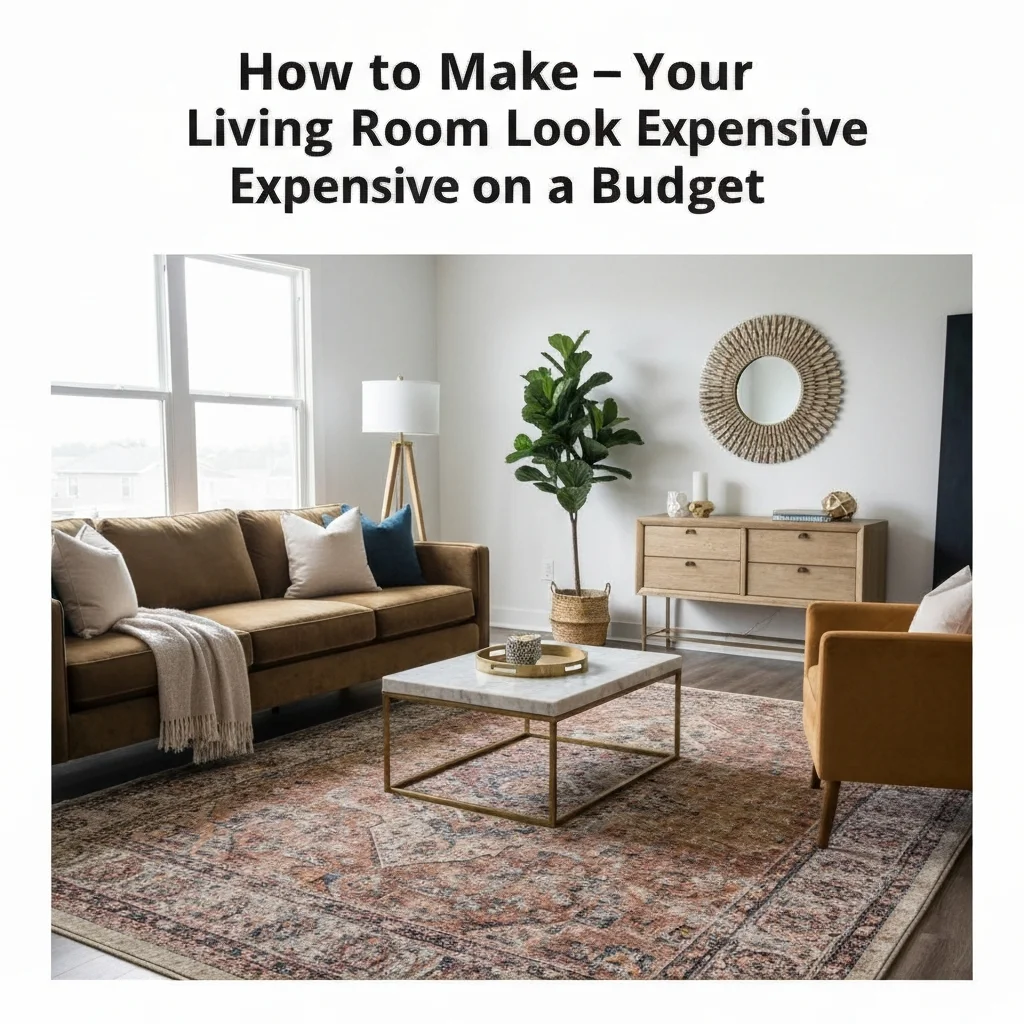
You don’t need a six-figure renovation budget to make your living room look like it belongs in a high-end design magazine. The secret is all in the details — the right textures, smart proportions, and clever styling tricks that cost little to nothing.
In this guide, I’ll show you exactly how to make your living room look expensive on a budget using real-world, actionable strategies. Whether you’re renting or own your home, these ideas will elevate your space without breaking the bank.
1. Master the Art of Layered Lighting
Nothing screams “cheap” more than a single overhead light. Expensive-looking rooms always have at least three light sources. You need ambient (overhead), task (reading lamp), and accent (directional) lighting.
Thrift stores and Facebook Marketplace are goldmines for affordable lamps. A coat of matte black or brass spray paint can transform a dated lamp into a designer piece. Swap out boring white shades for linen or drum shades in neutral tones.
Pro tip: use warm, dimmable bulbs (2700K–3000K) to create that cozy, high-end glow. Harsh white light kills the luxury vibe instantly.
2. Invest in Statement Curtains (Hang Them High)
Cheap blinds or bare windows make a room feel unfinished. The trick to an expensive look is to hang curtain rods as close to the ceiling as possible — at least 4 to 6 inches above the window frame. This tricks the eye into thinking the room has taller ceilings.
You don’t need custom drapes. Buy ready-made panels in a heavyweight fabric like velvet, linen, or cotton twill. Choose floor-length panels that just kiss the floor (or pool slightly for a formal look).
- Best budget curtain colors: cream, charcoal, olive, or navy
- Avoid: shiny polyester, short curtains, or valances
- Budget hack: use shower curtain rings to hang panels for an instant “pleated” look
3. Focus on the “Big Five” Furniture Pieces
You don’t need a whole new sofa. To make your living room look expensive, focus on five key pieces: the sofa, the coffee table, the rug, the side tables, and the lighting. If these are cohesive, everything else falls into place.
If your sofa is worn, use a tailored slipcover in white, beige, or linen. Add two or three high-quality throw pillows in different textures (velvet + chunky knit + faux fur) to create visual depth.
Budget swap chart:
| Expensive Look | Budget Alternative |
|---|---|
| Custom sofa | Slipcover + fluff-proof decorative pillows |
| Marble coffee table | IKEA table + marble contact paper |
| Designer rug | Indoor/outdoor rug in a neutral pattern |
| High-end art | Framed prints from Etsy or thrifted frames |
4. Use the “80/20 Rule” for Color and Neutrals
Luxury living rooms are rarely chaotic with color. Stick to an 80% neutral base (walls, sofa, rug, curtains) and 20% accent color (pillows, throws, art, plants). This creates a sophisticated, hotel-like calm.
Choose one hero neutral — like warm beige, greige, or soft taupe — and repeat it in different textures. Then add one accent hue: deep emerald, burnt terracotta, or navy blue. The consistency will make the room feel curated, not cluttered.
A cheap DIY upgrade? Paint one wall in the accent color or apply peel-and-stick wallpaper behind the sofa as an instant focal point.
5. Add Greenery (Real or High-Quality Faux)
Plants instantly make any room feel more upscale. They add life, texture, and a natural organic element that designers love. If you don’t have a green thumb, invest in high-quality faux plants — specifically fiddle-leaf figs, olive trees, or monstera.
Place a tall faux tree in a corner near the window and a smaller potted plant on the coffee table. The key is the pot. Never use the plastic nursery pot. Put the faux plant in a ceramic, terracotta, or woven basket. This $10 upgrade makes it look like it cost $200.
6. Declutter and Style with Negative Space
Nothing makes a room look more “budget” than visual noise. Walk around your living room and remove anything that doesn’t serve a purpose or bring joy. Less is truly more when you want a luxury feel.
Keep the coffee table clean — a stack of two books, a small tray for remotes, and one small vase or candle. Use closed storage (baskets, ottomans with lids, cabinets) for the rest. A clutter-free room instantly reads as “expensive.”
Styling hack: group items in odd numbers (3 or 5) and vary the heights. For example, place a tall vase next to a short stack of books. This creates visual rhythm without effort.
7. Pay Attention to the Entry View
When you walk into the room, what do you see first? That should be your strongest, most expensive piece. It could be a beautiful mirror, a large piece of art, or a stylish console table.
If you don’t have a statement piece, use a large framed mirror (thrift stores again!). Mirrors reflect light, make the room feel bigger, and are timeless. Lean it against the wall for a relaxed, designer aesthetic.
8. Upgrade Small Hardware and Accessories
Switch out plastic switch plates for matte black or brass ones. Replace standard cabinet knobs on your media console or bookshelf. These tiny swaps cost under $20 and deliver a huge visual impact.
Invest in a few high-quality decorative objects: a ceramic tray, a marble coaster set, or a scented candle in a heavy glass vessel. Avoid plastic, shiny metals, and anything with logos or brand names — those scream “mass market.”
Remember: you only need a few quality pieces, not a room full of cheap knick-knacks.
Frequently Asked Questions
How can I make my living room look expensive with a low budget?
Start with lighting, curtains, and decluttering. These three changes alone will give you a 70% increase in perceived value. Then add texture through pillows, a throw blanket, and a budget-friendly rug.
What colors make a living room look luxurious?
Neutrals like soft white, warm beige, greige, and charcoal. For accents, use deep jewel tones like emerald green, navy blue, or mustard. Avoid bright primary colors if you want a high-end feel.
Can I make my living room look expensive if I rent?
Absolutely. Use peel-and-stick wallpaper, floor-length curtains, removable wall decals, and large area rugs to cover ugly floors. All of these are landlord-friendly.
Do faux plants look cheap in a living room?
Only if you buy cheap, shiny ones. Look for faux plants with matte leaves and real wood trunks. Fluff the leaves when you unpack them to avoid that “stiff” look. High-quality faux greenery can look stunning.
What is the fastest way to make a room look more expensive?
Hang your curtains higher and wider than the window. This single trick instantly elevates the entire room and makes the ceilings look taller. It costs nothing and takes only a few minutes.
How do I choose a rug that looks expensive?
Look for low-pile or flat-weave rugs in neutral tones with subtle patterns (tribal, geometric, or faded stripes). Avoid rugs with bright colors or cartoonish patterns. A larger rug (at least 8×10 feet) will feel more substantial.
Should I buy a new sofa or use a slipcover?
If your sofa is structurally sound, a tailored slipcover in linen or cotton is a fraction of the price and looks almost as good as new. Save your money for a great rug and lighting instead.
How important are throw pillows?
Very. They provide color, texture, and visual interest. Use an odd number (3 or 5) and mix sizes — two 20×20 inches, one 12×16 inch lumbar, and one 14×14 inch square. Avoid matching sets; aim for a curated, collected look.
Conclusion
You now have a complete roadmap on how to make your living room look expensive on a budget. The best part is that none of these tips require a contractor, a credit card, or a design degree. They rely on smart styling, intentional choices, and a few clever hacks.
Start with one or two changes this weekend — maybe the curtains and the lighting — and build from there. Before you know it, your living room will have that “effortless” luxury feel that guests will swear cost a fortune.
Remember: expensive design is rarely about price tags. It’s about proportion, texture, and restraint. Happy decorating!


