
Minimalist Living Room Ideas for a Calming Vibe
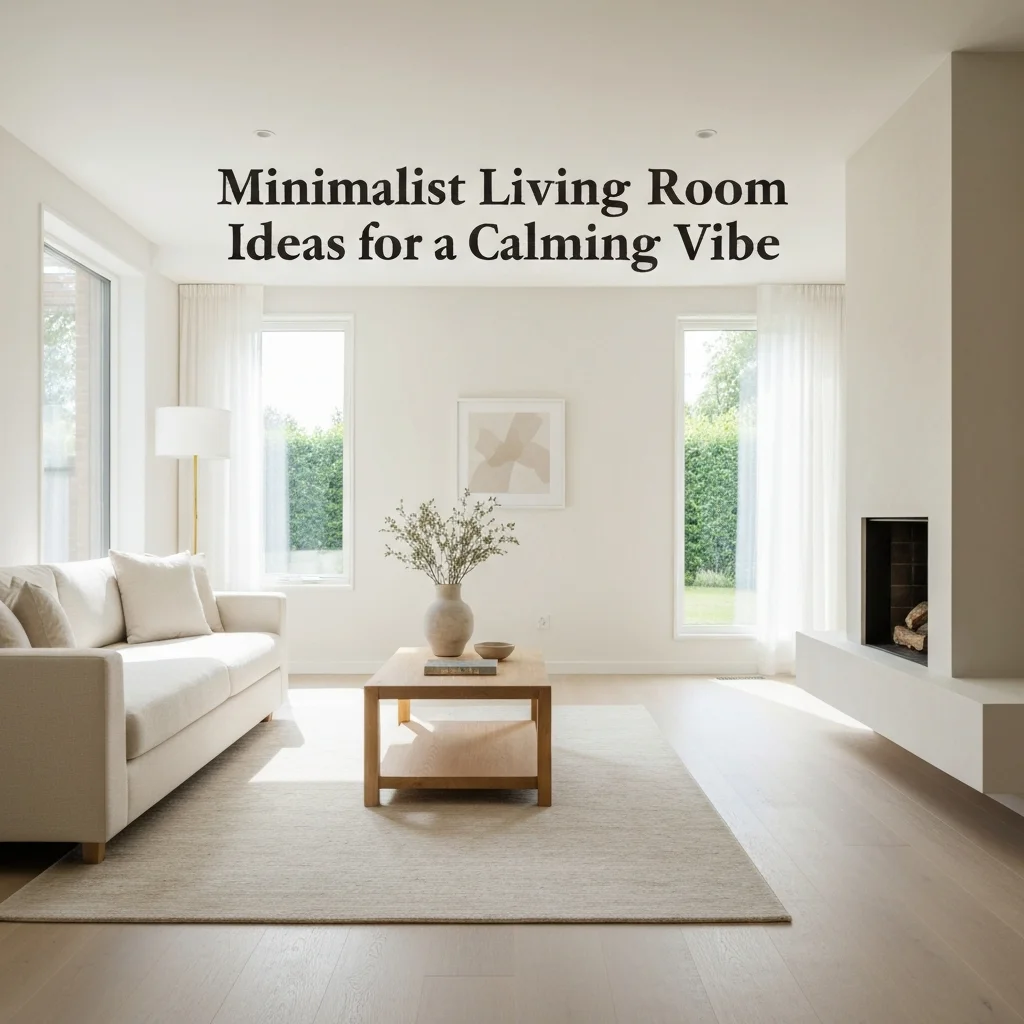
We all crave a place where we can truly unwind after a long day. Your living room should be that sanctuary, but too often, it feels like a catch-all for clutter and visual noise. If you are dreaming of a space that feels both breathable and beautiful, minimalist design is your answer.
These minimalist living room ideas are not about stripping your home of personality. Instead, they focus on intentionality, high-quality materials, and a calming vibe that supports your well-being. Let’s explore how to create a serene, clutter-free space you will love coming home to.
Embrace a Neutral Color Palette for Calm
The foundation of any calming living room design is the color scheme. Stick to neutral tones like warm whites, soft beiges, light grays, and muted earth tones. These colors reflect more natural light and create a visual sense of spaciousness.
You don’t have to live in a monochrome world. Add depth through varying textures. Think a cream wool rug, a beige linen sofa, and stone coffee tables. This layered approach keeps the simple decor tips alive without making the room feel flat.
A well-chosen neutral palette reduces visual stimulation, which is key to a relaxing environment.
Select Furniture with Purpose and Negative Space
In a minimalist room, every piece of furniture must earn its place. Instead of buying a massive sectional, opt for a streamlined sofa with clean lines. Choose a sleek coffee table that offers storage without dominating the floor.
Remember the power of negative space. Leave gaps between your furniture and the walls. Let the floor breathe. This intentional emptiness is a hallmark of minimalist living room ideas and immediately makes the room feel more open and calm.
Maximize Natural Light and Soft Lighting
Lighting can make or break a calm atmosphere. Start by removing heavy drapes. Use sheer white curtains or bamboo blinds to let in as much daylight as possible. Natural light instantly improves mood and makes a small room seem larger.
For the evening, use layered lighting. Avoid harsh overhead fixtures. Instead, place a floor lamp in the corner and a warm-toned table lamp on a console. Dimmable lights and candles add that final touch of warmth for a truly calming living room design.
Incorporate Texture for Visual Interest
Minimalist doesn’t mean boring. Since you are avoiding busy patterns, use texture to add depth. Combine rough and smooth elements. A jute rug beneath a glass coffee table or a chunky knit throw over a smooth leather chair works perfectly.
- Soft materials: Linen curtains, cotton cushions, wool blankets.
- Natural materials: Wood, stone, rattan, bamboo.
- Metallic accents: Brushed brass or matte black for small hardware details.
These simple decor tips create a space that invites touch and feels rich without being cluttered.
Use Low-Profile and Multi-Functional Pieces
One of the best minimalist living room ideas is choosing furniture that sits lower to the ground. Low-profile sofas and low coffee tables keep the visual line open, making the ceiling feel higher and the room less crowded.
You can also consider multi-functional items. An ottoman that doubles as storage, a console table that can be a desk, or nesting tables that tuck away when guests arrive. This approach is essential for creating a clutter-free space that still serves your daily life.
Curate Your Decor with Intention
The “less is more” rule applies directly to accessories. Instead of a shelf full of knick-knacks, choose one large ceramic vase, a stack of coffee table books, or a single statement plant. Every accessory should add meaningful value to the room.
Plants are a fantastic addition for a calming vibe. A tall fiddle leaf fig in a woven basket or a row of pothos on a shelf brings life without clutter. Stick to one or two large plants rather than many small ones.
Display only what you love and hide the rest. Use closed cabinetry or baskets to keep everyday items out of sight. This is crucial for maintaining a clutter-free space.
Comparison of Key Elements for a Minimalist Living Room
To help you visualize, here is a quick guide on contrasting elements in minimalist design versus traditional decor.
| Element | Minimalist Approach | Traditional Approach |
|---|---|---|
| Color | Neutral palette (beige, white, gray) | Bold, varied colors and prints |
| Furniture | Low-profile, streamlined, multi-functional | Large, ornate, single-purpose pieces |
| Decor | 2-3 curated statement pieces | Many collectibles and accessories |
| Texture | Layered natural materials | Mixed patterns and fabrics |
| Storage | Hidden, closed cabinets | Open shelving with many items |
This comparison shows how a neutral color palette and intentional furniture choices shift the entire feel of your room towards calm and order.
Frequently Asked Questions
1. How do I make a small living room look minimalist?
Focus on light colors and multi-functional furniture. Use large mirrors to reflect light and avoid bulky pieces. Keep the floor as clear as possible to expand visual space.
2. Can minimalist living rooms be cozy?
Absolutely. Coziness comes from texture, not clutter. Add soft wool throws, plush cushions, and a warm rug. The neutral palette provides a warm, intimate backdrop.
3. What is the best floor color for a minimalist living room?
Light wood tones, pale gray, or white-washed floors work best. They reflect light and keep the space feeling airy. You can always warm them up with a large natural fiber rug.
4. How do I add personality to a minimalist space?
Use personal artwork, vintage finds, or books. The key is limiting the number of items. One large, impactful piece of art says more than a gallery wall of random prints.
5. How do I maintain a clutter-free living room?
Adopt a “one in, one out” rule. Before buying something new, remove an old item. Invest in hidden storage like ottomans or media cabinets. Store remotes and cables out of sight.
6. Are plants essential for a calming vibe?
While not essential, they are highly effective. Plants improve air quality and add a natural, soothing element. Choose low-maintenance varieties like snake plants or pothos.
7. Can gray walls work for a serene minimalist room?
Yes, but choose a warm gray with green or beige undertones. Cool grays can feel sterile. Pair it with plenty of natural wood and soft textiles to keep the room inviting.
Conclusion
Creating a minimalist living room is about making conscious choices that prioritize peace and function. You don’t need a huge budget or a complete renovation. Start small: clear a countertop, swap a busy rug for a neutral one, or remove half your decor.
By focusing on these minimalist living room ideas, you can transform your space into a calming living room design that supports your daily life. Remember, the goal is not emptiness, but a home filled with only the things that serve a purpose and bring you joy.
Start today, and enjoy the serenity of a beautifully curated, clutter-free space.


