
The Secret to a Perfectly Layered Living Room
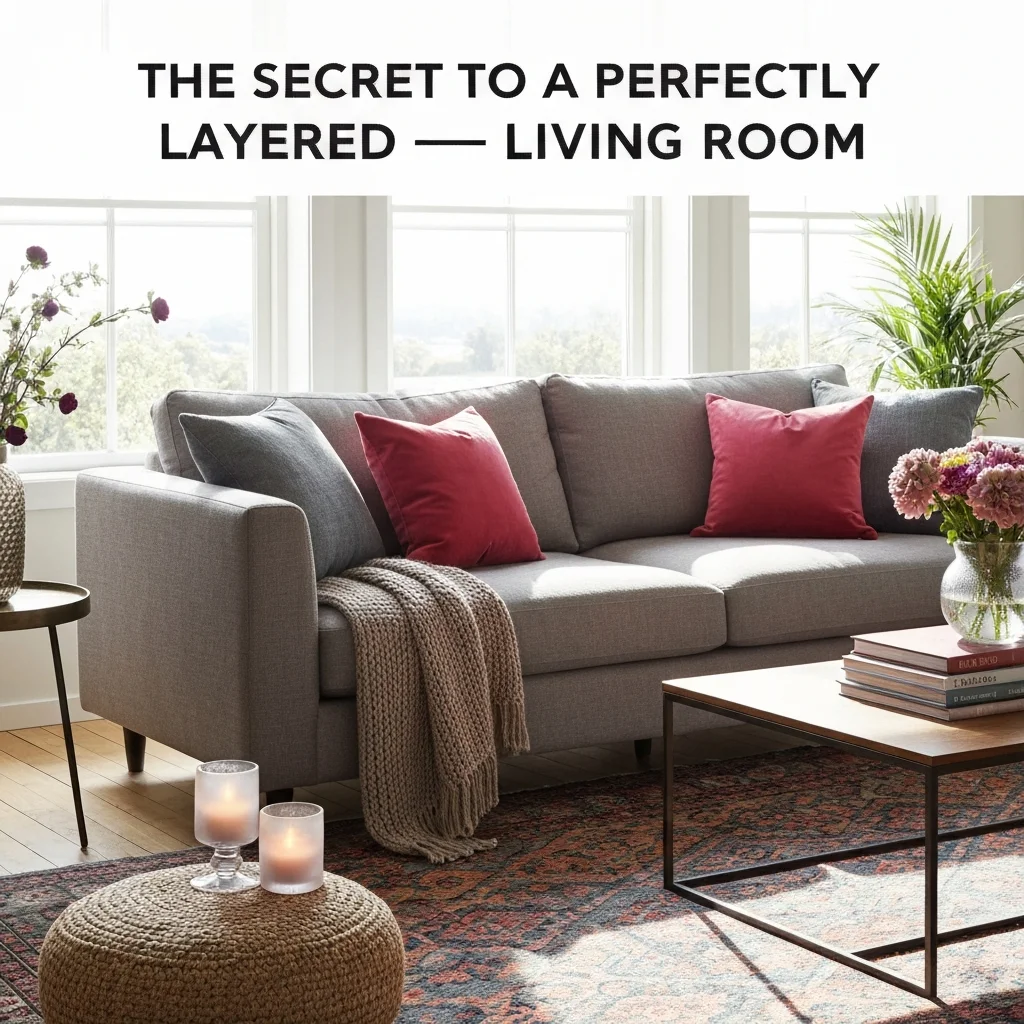
Have you ever walked into a living room and felt instantly wrapped in a hug? That warmth isn’t accidental. It’s the result of one design principle: layering.
Forget trends that come and go. A perfectly layered living room feels timeless, intentional, and deeply personal. It’s the difference between a showroom and a home.
Think of your living room as a stage. Layers are the set design, lighting, and costumes that bring the story to life. You don’t just add stuff. You build depth, texture, and rhythm.
In this guide, I’ll share the exact methods I’ve used for over a decade to create rooms that are both beautiful and livable. No fluff. Just actionable, layering secrets.
1. The Foundation: Layered Rugs and Flooring
A great room starts from the ground up. Your rug is the anchor. But one rug alone can feel flat.
Layering rugs adds instant visual weight. Start with a large, neutral natural fiber rug (jute or sisal) as your base. Then, top it with a smaller, patterned or textured rug.
Why this works: The bigger rug defines the seating area. The smaller rug adds contrast and a focal point. Place the top rug at an angle for an unexpected twist.
Here’s a quick breakdown of which rug combos work best:
| Base Rug | Top Rug | Vibe |
|---|---|---|
| Large jute (natural) | Wool flatweave (geometric) | Bohemian but grounded |
| Low-pile gray sisal | High-pile cream shag | Modern cozy |
| Dark cowhide | Faded vintage kilim | Eclectic character |
Layering rugs also solves practical problems. It hides worn floors, adds soundproofing, and defines zones in an open floor plan.
2. Texture Mix: The Secret to Visual Depth
Color gets all the credit, but texture is the true hero of a layered living room design. Texture creates dimension without adding clutter.
Mix at least three different textures in your space. Think smooth, rough, soft, and hard. A velvet sofa against a chunky knit throw. A glass coffee table paired with a woven basket.
Here are my go-to texture combos:
- Velvet + Linen – Sumptuous and airy (sofa + curtains)
- Leather + Wool – Rugged and warm (armchair + throw blanket)
- Metal + Wood – Industrial and organic (lamp base + shelf)
- Ceramic + Cotton – Clean and relaxed (vase + cushion covers)
The goal is contrast. A room that is all soft textures feels like a cloud (nice, but blurry). A room that is all hard textures feels cold. Balance is everything.
3. The Art of Triple Lighting
When clients ask me how to get a magazine-worthy room, I always say: fix your lighting layers. A single overhead light kills every layer you built.
You need three types of light: ambient (general), task (focused), and accent (dramatic). This is non-negotiable for a layered feel.
Place a floor lamp behind a sofa for ambient glow. Use table lamps on side tables for tasks like reading. Add picture lights or sconces to highlight art.
Dimmers are your best friend. They let you shift from a bright family game night to a dim, movie-reclining mood in seconds.
4. Focal Point Framing: The Rule of Three
Every layered room needs a clear visual anchor. This is your focal point: the fireplace, a large window, a statement art piece.
Once you have that anchor, layer around it using the “Rule of Three.” Objects arranged in odd numbers feel more natural and dynamic to the eye.
For example, on a console table: place a tall lamp, a stack of books, and a small ceramic sculpture. Vary the heights. The tallest item should be roughly ⅔ the height of the furniture piece.
In the seating area, layer three elements: a sofa, two armchairs, and a coffee table. If you have a large sofa, add three pillows at one end instead of two.
5. Soft Furnishings: Pillows, Throws, and Curtains
This is where you inject personality. Soft furnishings are the easiest layers to swap with the seasons.
For a cozy layered decor, use pillows in graduated sizes. Start with large 24-inch squares in the back, then medium 20-inch squares, then a lumbar pillow in front.
Curtains must go floor-to-ceiling. Even if the window is small, tall curtains trick the eye and make the room feel bigger. Use a double rod: one layer for sheers (light), one for drapes (warmth).
Don’t match everything. A linen pillow next to a wool throw creates a far more interesting story than a matching set.
6. Styling Surfaces: Coffee Table and Shelves
Flat surfaces are tempting to leave empty, but they are prime real estate for layering. The key is to style them in clusters.
Divide your coffee table into thirds. One third for functional items (remotes, coasters on a tray). One third for decorative objects (a candle, a small plant). One third for breathing room.
For shelves, use the “triangle method.” Group items in triangular shapes. Tall book + medium vase + small trinket dish. Repeat the pattern across the shelf.
Add organic elements: a single branch in a ceramic pot, a stack of vintage books, a worn wooden bowl. These natural textures ground the room.
7. The Finishing Touch: Personal Items
A truly perfectly layered living room tells your story. Souvenirs from travels, family photos in mismatched frames, a record player with your vinyl collection.
These are the layers that no designer can source for you. They add soul. Without them, the room is just a beautiful shell.
Place these items intentionally. Don’t spread them out randomly. Group a few meaningful objects together on a shelf or sideboard.
Remember: more layers doesn’t mean more stuff. It means more thoughtful relationships between the items you already love.
Frequently Asked Questions (FAQ)
1. How many layers do I need for a perfectly layered living room?
Aim for 4-5 distinct layers: floor (rug), furniture (sofa, chairs), lighting, textiles (pillows, throws), and surface styling (decor). This provides depth without clutter.
2. Can I layer a living room on a budget?
Absolutely. Start with texture layers: add a thrifted knit throw, swap out pillow covers, and use books from your shelf as decor. Lighting layers can be cheap floor lamps from secondhand stores.
3. How do I avoid a cluttered look when layering?
Use the “subtract before you add” rule. Remove one old item every time you bring in a new layer. Also, keep at least 40% of your surfaces bare.
4. What is the best way to layer in a small living room?
Use vertical layers. Floor-to-ceiling curtains, tall floor plants, and wall-mounted shelves. Keep the floor layer minimal with a single patterned rug on a neutral base.
5. How do I layer with a neutral color palette?
Focus entirely on texture. Mix boucle, cotton, wool, and leather. Use varying shades of beige, cream, and taupe. Add contrast with one accent color (like olive or navy) in small doses.
6. What is the most important layer in a living room?
Lighting. Even the most beautifully furnished room falls flat without proper light layers. Invest in dimmers and at least three light sources.
7. How often should I change the layers in my living room?
Change soft layers (pillows, throws) seasonally. Surface decor can be refreshed every 6-12 months. Hard layers (rugs, furniture) can stay for years if the base quality is good.
8. Can I mix modern and traditional pieces in layers?
Yes. That contrast is the secret to an eclectic, lived-in look. Pair a mid-century modern coffee table with a traditional tufted sofa. The tension creates interest.
Conclusion
Layering a living room isn’t about following a strict formula. It’s about building a space that feels collected, not decorated. Start from the floor, work your way up, and never underestimate the power of texture and lighting.
The best rooms evolve. Don’t try to finish everything in one weekend. Add a layer, live with it, then add the next. Soon, you’ll have a room that tells your unique story.
Now, go ahead and try one layering technique this week. Start with your rug setup or your sofa pillows. You’ll instantly see (and feel) the difference.


